
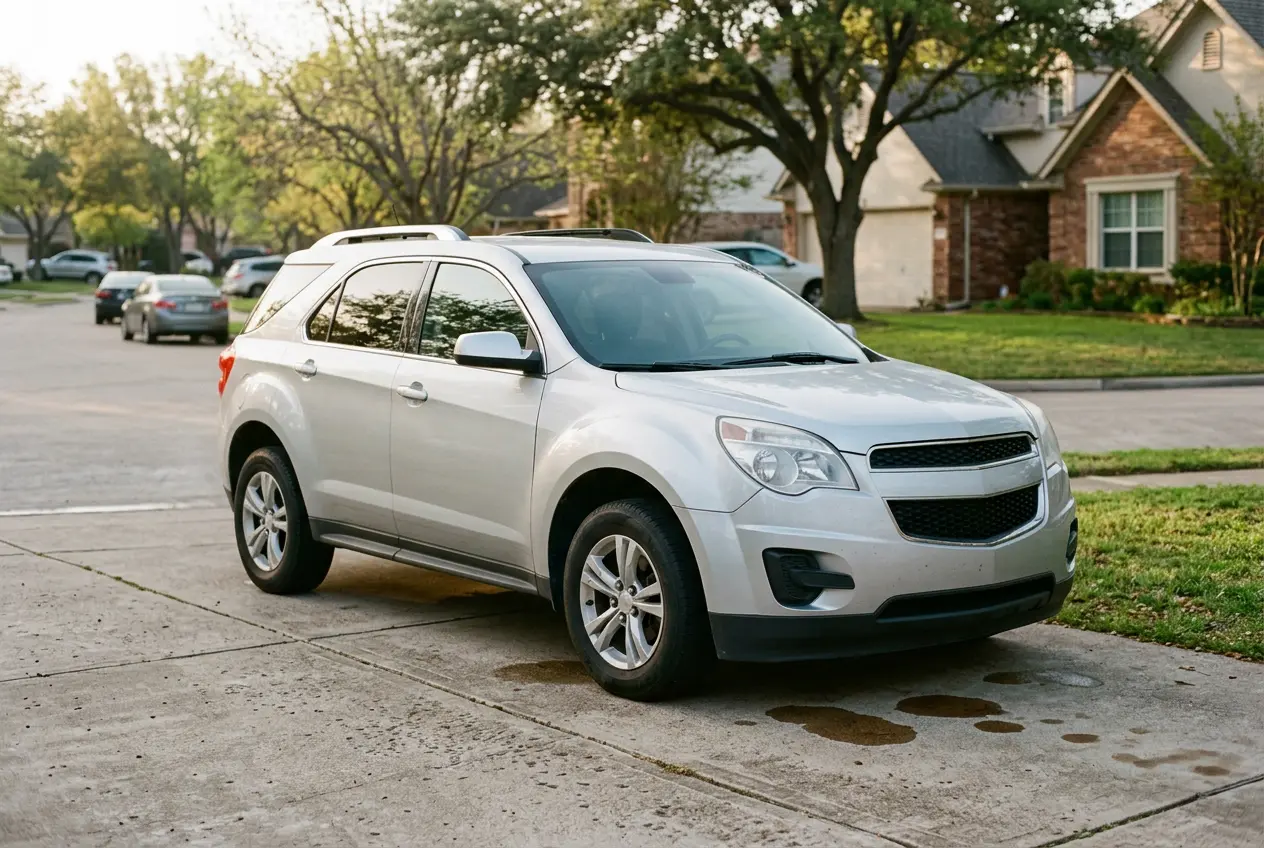
The 2010-2013 Chevrolet Equinox and GMC Terrain with the 2.4L Ecotec engine are commonly diagnosed with excessive oil consumption, burning roughly one quart every 1,000 miles. The most frequent cause is worn or low-tension piston rings that allow oil to slip past into the combustion chamber. A clogged or undersized PCV orifice and carbon buildup make the problem worse. If your dipstick keeps reading low between oil changes, this is almost certainly why.
Which vehicles have this problem?
This issue affects the 2010-2013 Chevrolet Equinox and the 2010-2013 GMC Terrain, both equipped with the 2.4L Ecotec four-cylinder engine. Both models share the same engine architecture and the same root cause. If you own either vehicle in this year range, it is worth monitoring your oil level closely between changes.
What causes the 2.4L Ecotec to burn so much oil?
The commonly diagnosed root cause is low-tension piston rings. GM used rings designed to reduce internal friction and improve fuel economy, but they do not seal the combustion chamber as tightly as higher-tension rings. Over time, oil slips past the rings and burns off during combustion. You may not see a puddle under the car because the oil is being consumed internally, not leaking out.
A second factor is the PCV (positive crankcase ventilation) orifice. When this passage is too small or becomes clogged, crankcase pressure builds up and pushes oil vapor into the intake, adding to consumption. Carbon deposits on intake valves, a side effect of direct injection, can compound the issue further.
What are the warning signs, from early to late?
Early stage (roughly 30,000-60,000 miles)
- Oil level drops noticeably between scheduled changes
- Slight blue-gray smoke from the exhaust on startup or hard acceleration
- No warning lights yet
Mid stage (roughly 60,000-100,000 miles)
- Consuming one quart or more every 1,000 miles
- Fouled spark plugs causing rough idle or hesitation
- Occasional misfire, sometimes with a check engine light
- Noticeable blue smoke on deceleration
Late stage (100,000+ miles or neglected oil levels)
- Engine knock or ticking from low oil pressure
- Persistent check engine light
- Catalytic converter damage from oil contamination
- Risk of engine seizure if oil runs critically low
Is it safe to keep driving?
Driving with low oil is one of the fastest ways to destroy an engine. If the level drops more than one quart below the full mark, stop driving until you add oil. At two quarts low, oil pressure drops enough to starve the bearings and camshaft. That kind of damage is not a ring job anymore; it is a full engine replacement.
Check your dipstick every time you stop for fuel. That is not an exaggeration for this engine. Sitting in the Fredericksburg Crawl on I-95 with a hot engine and low oil is a combination that accelerates wear quickly.
What does the repair actually involve?
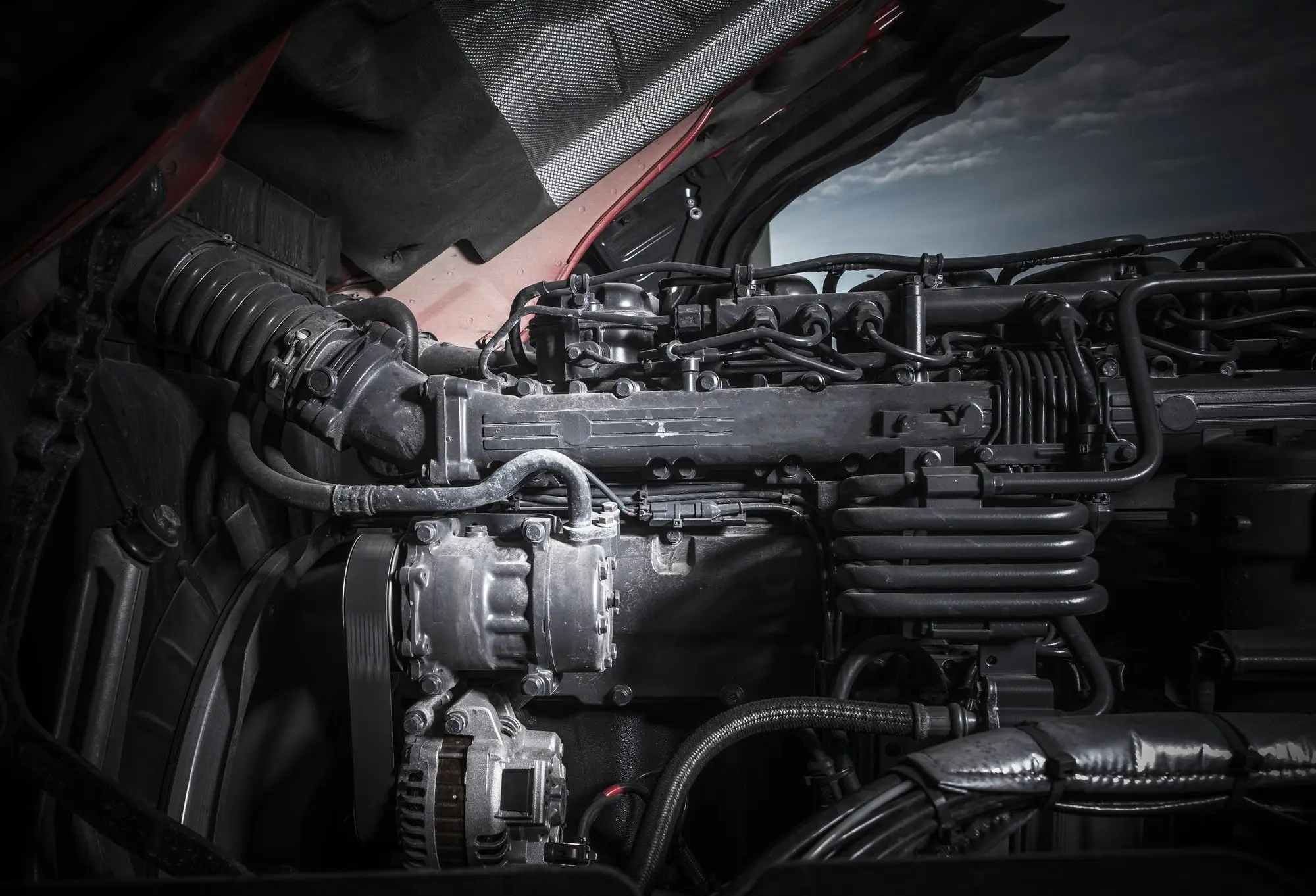
The correct fix is a piston and ring job. The engine is partially disassembled to access the pistons. The low-tension rings are replaced with correctly spec’d rings that seal the combustion chamber properly. The PCV orifice is inspected, cleaned, or replaced at the same time. Carbon deposits are removed from the intake valves and combustion chambers before reassembly.
Adding thicker oil or using an oil consumption additive may slow the rate of consumption for a short time, but neither addresses the worn rings. They are short-term measures, not repairs.
Root Cause & Lawsuit Overview (Alleged Issue, Settled)
A class action lawsuit, Sloan/Berman v. General Motors, alleged that GM knew about the excessive oil consumption defect in the 2010-2013 Equinox and Terrain with the 2.4L Ecotec engine and failed to disclose it to buyers. The settlement, valued at approximately $42-45 million, received final approval in 2019. You can read the settlement details at the ClassAction.org settlement summary.
The claims period for that settlement is now closed. If you missed the filing window, the repair is an out-of-pocket expense. It is also worth checking whether any open recall applies to your specific VIN at NHTSA’s recall lookup tool, and contacting Chevrolet owner support to ask whether any special coverage remains on your vehicle.
What does a piston and ring repair cost?
There is no single number without seeing the vehicle. Several factors move the price significantly:
| Factor | Why it matters |
|---|---|
| Cylinder wall condition | Scored walls require a bore and oversize rings, adding cost |
| Spark plug condition | Fouled plugs are replaced at the same time; a minor add-on |
| Catalytic converter damage | Prolonged oil burning can ruin the cat, a significant separate repair |
| PCV system condition | A clogged or damaged PCV orifice is addressed during the same teardown |
| Engine mileage and overall condition | High-mileage engines may need additional work once opened |
A proper diagnosis before any teardown is the right starting point. That means an oil consumption test, a compression and leak-down test, and a visual inspection of the PCV system. Those results tell you exactly what the engine needs before any parts are ordered. For a diagnosis appointment, visit our diagnostics service page or our engine repair page.
If you are also overdue on oil changes, our oil change service page has details on intervals and oil grades. Related reading: see our post on GM 5.3L and 6.2L V8 lifter failure for another common GM engine issue, and our guide to how long major components last for a broader look at engine longevity.
Frequently Asked Questions
Is it safe to drive my Equinox or Terrain if it’s burning oil?
It depends on how much oil remains. Driving more than one quart low risks serious engine damage. Check the dipstick at every fuel stop and add oil before the level drops below the minimum mark. Do not wait for a warning light.
Will a piston ring job fix the oil consumption for good?
Yes, replacing the piston rings and correcting the PCV orifice is the proper repair. Thicker oil or additives may slow consumption temporarily but will not fix worn rings.
My Equinox was part of the Sloan/Berman v. GM settlement. Can I still get money?
The settlement received final approval in 2019 and the claims period is closed. The repair is now an out-of-pocket expense. Check your VIN at NHTSA’s recall lookup to see if any open recall applies.
Does this problem affect the GMC Terrain too?
Yes. The 2010-2013 GMC Terrain with the 2.4L Ecotec shares the same engine design and the same oil consumption issue as the Chevrolet Equinox.
What does a piston and ring job involve?
The engine is partially disassembled to reach the pistons. The worn low-tension rings are replaced, the PCV orifice is inspected and corrected, and carbon deposits are cleaned before reassembly. Cylinder wall condition is checked before new rings go in.
Mark Ritchie, owner and ASE Certified technician at Express Auto Service, can diagnose your 2010-2013 Equinox or Terrain and walk you through exactly what the engine needs. Express Auto Service is AAA Approved and has served the Fredericksburg area since 1990. We offer free local rides to home or work while your vehicle is in the bay. Drivers from Lee’s Hill and surrounding neighborhoods are welcome. Call us at (540) 372-4422 or schedule an appointment online.
Sources
- Sloan/Berman v. GM: Final Approval Granted for Chevy Equinox/GMC Excessive Oil Consumption Settlement
- NHTSA Recalls Lookup
- Chevrolet Owner Support

Mark Ritchie is the Owner and Manager of Express Auto Service. With more than 25 years of automotive experience, he is ASE Certified and a Virginia Emissions Inspector. Mark shares practical automotive maintenance and repair insights to help drivers make informed decisions about caring for their vehicles.