
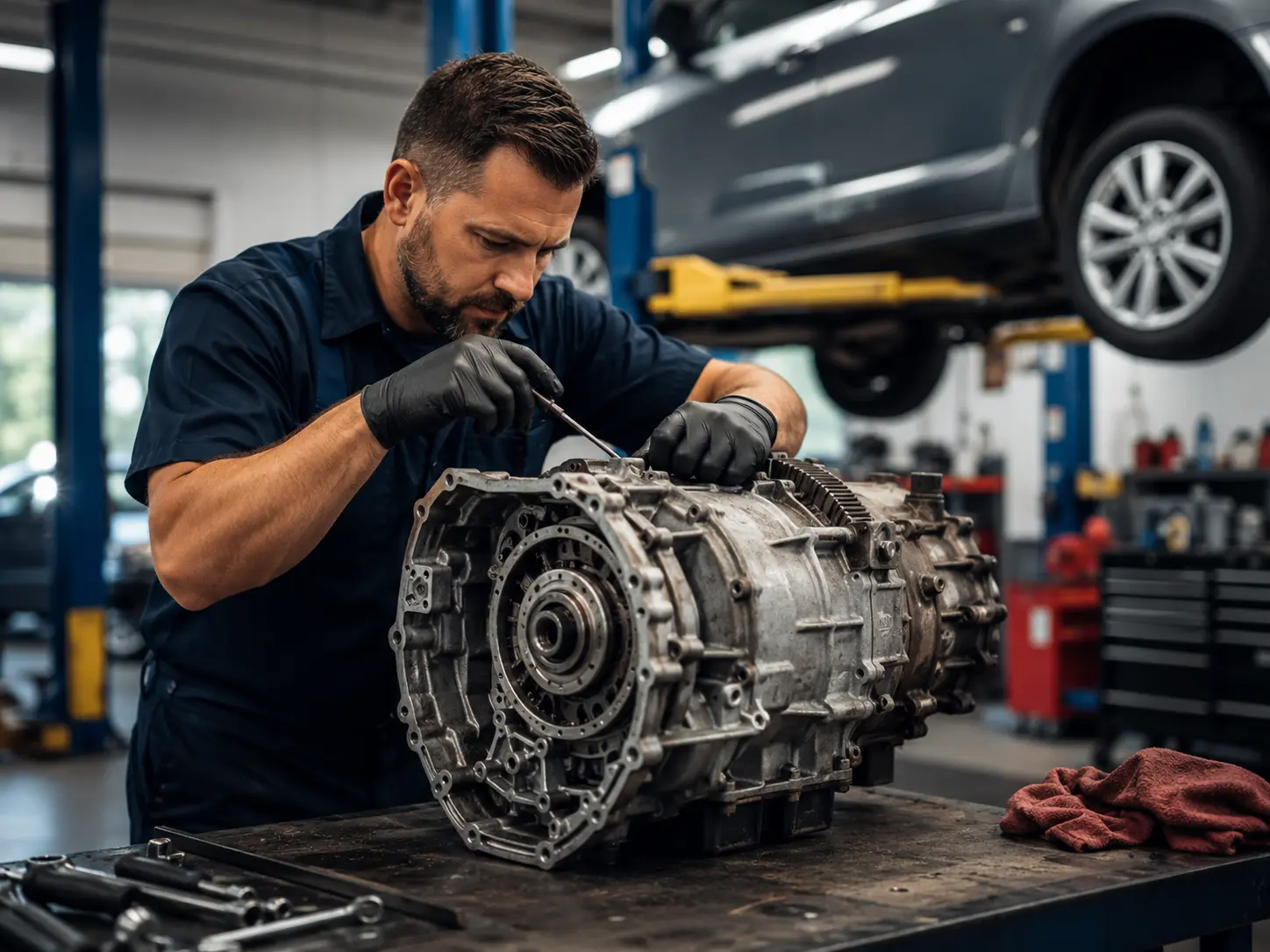
A vehicle’s transmission is one of its most important—and expensive—components. Whether you drive a pickup truck, SUV, commuter sedan, or family minivan, your transmission is responsible for transferring engine power to the wheels efficiently. Yet many drivers never think about their transmission until something goes wrong.
At Express Auto Service in Fredericksburg, VA, we’ve seen firsthand how proper maintenance can help transmissions last well beyond 200,000 miles—and how neglect can lead to costly failures much sooner. Our ASE Certified and ASE Master Technicians use advanced diagnostic equipment to identify transmission issues early, helping local drivers avoid unexpected breakdowns and expensive repairs.
As an award-winning auto repair shop serving the Fredericksburg community for decades, we work on all makes and models and stand behind our repairs with a nationwide 24-month/24,000-mile warranty. If you’re wondering how long your transmission should last and what you can do to maximize its lifespan, here’s what our technicians want you to know.
How Long Does a Transmission Typically Last?
There isn’t a one-size-fits-all answer because transmission longevity depends heavily on maintenance, driving habits, and vehicle design.
Average Transmission Lifespans
Under normal driving conditions, most transmissions can last:
- Automatic transmissions: 150,000–250,000 miles
- Manual transmissions: 200,000–300,000+ miles
- CVT transmissions: 100,000–200,000 miles
Many drivers are surprised to learn that the transmission itself is often not the first component to fail. More commonly, issues begin with neglected fluid maintenance, overheating, or electronic control problems.
What Transmission Failure Can Cost
According to industry repair data, transmission replacement costs can range from approximately $4,000 to $8,000 or more depending on the vehicle make, model, and transmission type. In many cases, routine maintenance and early diagnosis can prevent catastrophic failures that lead to these significant repair expenses.
This is one reason why transmission inspections are often considered one of the smartest preventative maintenance investments a vehicle owner can make.
Why Some Transmissions Last Longer Than Others
Our technicians routinely inspect vehicles with over 250,000 miles on their original transmission. The difference usually comes down to three factors: proper maintenance, driving habits, and early detection of problems. Following a routine auto maintenance schedule can significantly improve transmission longevity while helping prevent costly repairs.
1. Maintenance History
Regular fluid services help remove contaminants and maintain proper lubrication. Investing in professional auto maintenance services is one of the most effective ways to maximize transmission life and maintain overall vehicle reliability.
2. Driving Conditions
Vehicles driven primarily on highways experience less transmission stress than those constantly navigating stop-and-go traffic.
Fredericksburg Driving Conditions Matter
Drivers throughout Fredericksburg, Spotsylvania, Stafford, and the surrounding areas regularly encounter congested traffic patterns, especially along I-95 and Route 3. Frequent stop-and-go driving generates additional heat within the transmission and places more stress on internal components. These conditions make regular inspections and fluid services especially important for local drivers.
3. Heat Management
Heat is the number one enemy of transmission components. Excessive operating temperatures accelerate wear and break down transmission fluid.
Expert Tip
Many drivers believe “lifetime transmission fluid” means the fluid never needs replacement. In reality, transmission fluid degrades over time. Even if a manufacturer doesn’t specify frequent service intervals, periodic inspections are still critical for long-term reliability.
Mini FAQ
Q: Can a transmission really last the life of the vehicle?
Yes—if the vehicle receives proper maintenance and issues are addressed early. We’ve seen many well-maintained vehicles exceed 250,000 miles on the original transmission.
What Causes a Transmission to Fail Prematurely?
While transmissions are designed to last for many years, certain conditions can dramatically shorten their lifespan. At Express Auto Service, our technicians frequently diagnose transmission failures that could have been prevented with routine maintenance and early intervention.
Low or Contaminated Transmission Fluid
Transmission fluid serves as both a lubricant and coolant. When fluid levels drop or become contaminated, internal components experience increased friction and heat, leading to accelerated wear.
Overheating
Heat is responsible for more transmission failures than any other factor. Excessive temperatures can damage seals, clutch packs, valve bodies, and internal bearings.
Fredericksburg drivers often experience heavy stop-and-go traffic on I-95, Route 3, and major commuter corridors, which can cause transmission temperatures to rise significantly during peak travel times.
Ignoring Warning Signs
Small issues such as delayed shifting, fluid leaks, or occasional slipping can quickly escalate into major internal damage when left unaddressed.
Towing Beyond Capacity
Many truck and SUV owners underestimate the stress towing places on transmission components. Exceeding manufacturer towing limits can dramatically reduce transmission life.
Electrical and Sensor Failures
Modern transmissions rely on sophisticated electronic controls. A faulty sensor or solenoid may seem minor initially, but it can eventually create significant drivability issues if not properly diagnosed.
Expert Tip
Transmission problems rarely happen overnight. Most major failures begin with small warning signs that professional diagnostics can identify early.
Quick Transmission Health Checklist
Use this simple checklist to evaluate your vehicle’s transmission health:
✅ Smooth gear changes
✅ No warning lights
✅ No fluid leaks under the vehicle
✅ No burning odors
✅ No slipping during acceleration
✅ No grinding or whining noises
✅ Fluid serviced according to manufacturer recommendations
✅ Vehicle accelerates consistently without hesitation
If you answered “No” to any of these items, it may be time to schedule professional auto diagnostics to identify potential transmission concerns before they become expensive repairs.
Warning Signs Your Transmission May Be Failing
One of the biggest mistakes drivers make is ignoring early warning signs. Transmission problems rarely appear overnight. Most failures develop gradually and provide warning signals first.
Delayed Shifting
If your vehicle hesitates before changing gears, the transmission may be struggling to maintain proper hydraulic pressure.
Slipping Gears
Transmission slipping occurs when the transmission unexpectedly changes gears or loses power during acceleration.
Common symptoms include:
- Sudden RPM increases
- Loss of acceleration
- Difficulty climbing hills
- Inconsistent vehicle performance
Transmission Fluid Leaks
Healthy transmission fluid is typically bright red or pink and has a slightly sweet smell.
Warning signs include:
- Dark brown fluid
- Burnt odor
- Fluid spots under your vehicle
Strange Noises
Listen for:
- Grinding sounds
- Whining noises
- Clunking during shifts
- Humming at highway speeds
Dashboard Warning Lights
Modern vehicles contain sophisticated onboard computers that monitor transmission performance. When warning lights appear, professional vehicle diagnostics can identify the root cause before a minor issue develops into a major transmission repair.
Expert Tip
Many transmission complaints actually originate from electrical sensors, solenoids, or control modules—not internal transmission damage. Professional diagnostics can prevent unnecessary repairs and save significant money.
Mini FAQ
Q: Can I keep driving if my transmission is slipping?
You can, but every mile increases the risk of further damage. A minor repair today could become a major rebuild tomorrow.
What ASE Master Technicians Recommend to Extend Transmission Life
The good news is that many transmission failures are preventable.
Follow a Preventative Maintenance Schedule
Routine inspections help identify:
- Fluid contamination
- Small leaks
- Cooling system concerns
- Early wear patterns
Addressing these issues early can significantly extend transmission life.
Service Transmission Fluid Regularly
Transmission fluid performs several important functions:
- Lubricates internal components
- Reduces friction
- Transfers hydraulic pressure
- Helps regulate operating temperatures
Over time, fluid breaks down and loses effectiveness.
Avoid Excessive Heat
Heat damages seals, clutches, and internal components.
To reduce heat-related wear:
- Avoid aggressive driving
- Don’t overload your vehicle
- Maintain cooling system performance
- Address overheating issues immediately
Pay Attention to Related Systems
Many drivers don’t realize that transmission performance depends on other vehicle systems, including:
- Engine performance
- Cooling systems
- Electrical systems
- Drivetrain components
When one system fails, it can place additional stress on the transmission.
Expert Mechanic Insight
A transmission rebuild can cost several thousand dollars. By comparison, preventative maintenance and early diagnostics typically cost only a fraction of that amount. Preventative maintenance remains one of the best investments vehicle owners can make.
Mini FAQ
Q: Is a transmission flush always recommended?
Not necessarily. Every vehicle is different. Our technicians evaluate fluid condition, mileage, manufacturer recommendations, and transmission health before recommending a service.
Why Professional Diagnostics Matter More Than Ever
Today’s vehicles rely heavily on electronics and computer-controlled systems.
A transmission concern that feels mechanical may actually involve:
- Shift solenoids
- Speed sensors
- Wiring faults
- Control modules
- Software calibration issues
This is why professional auto diagnostics are so important. Modern transmission systems rely on sensors, control modules, and electronic communication networks that require advanced testing equipment to diagnose accurately.
At Express Auto Service, we utilize advanced diagnostic technology and comprehensive diagnostic services to accurately identify transmission-related concerns before recommending repairs.
This approach helps prevent unnecessary part replacements and ensures customers receive the most cost-effective solution possible.
Expert Tip
A code scanner can identify stored fault codes, but fault codes rarely provide the complete diagnosis. Professional testing is often required to determine why the code appeared in the first place.
Mini FAQ
Q: Will a check engine light always indicate a transmission problem?
No. However, many transmission issues can trigger a check engine light, making professional diagnostic testing essential.
Frequently Asked Questions About Transmission Repair
How often should transmission fluid be changed?
Service intervals vary by manufacturer, vehicle type, and driving conditions. Many vehicles benefit from transmission fluid inspections every 30,000 to 60,000 miles, though some may require service sooner.
How much does transmission repair cost?
Costs vary depending on the issue. Minor repairs involving sensors or solenoids may be relatively affordable, while major internal repairs or replacements can cost several thousand dollars. Professional diagnostics are essential for determining the exact problem.
Can transmission fluid really last 100,000 miles?
Some manufacturers advertise extended fluid service intervals, but severe driving conditions such as towing, frequent stop-and-go traffic, and extreme temperatures can shorten fluid life considerably.
Is transmission repair worth it on an older vehicle?
That depends on the vehicle’s overall condition, mileage, and value. A professional inspection can help determine whether repair, replacement, or vehicle replacement is the most cost-effective option.
Can diagnostics detect transmission problems early?
Yes. Modern diagnostic equipment can identify transmission-related faults, sensor issues, electronic communication problems, and performance abnormalities before they become major failures.
What are the first signs of transmission trouble?
Common early warning signs include delayed shifting, slipping gears, unusual noises, transmission fluid leaks, dashboard warning lights, and hesitation during acceleration.
Master Technician Insight
One of the biggest misconceptions we hear is that transmissions suddenly fail without warning. In reality, most transmission failures begin months—or even years—before a breakdown occurs. Regular inspections, fluid condition checks, and professional diagnostics allow technicians to identify many issues early, potentially saving vehicle owners thousands of dollars in repair costs.
Schedule a Transmission Inspection at Express Auto Service in Fredericksburg, VA
Your transmission works hard every time you drive. While no transmission lasts forever, proper maintenance, routine inspections, and early diagnostics can dramatically extend its lifespan.
At Express Auto Service, we proudly serve drivers throughout Fredericksburg, VA with expert transmission repair in Fredericksburg, advanced diagnostics, and complete automotive repair solutions. Our ASE Certified technicians work on all makes and models using state-of-the-art equipment and industry-leading repair procedures.
We also strive to make every visit as convenient as possible. Customers can enjoy complimentary Wi-Fi, coffee, tea, comfortable indoor and outdoor waiting areas, and even free local rides to home or work while repairs are being completed.
If you’ve noticed delayed shifting, transmission slipping, unusual noises, fluid leaks, or warning lights, don’t wait for a small issue to become a major repair. Scheduling a professional transmission inspection and repair service early can help prevent expensive transmission failures and extend the life of your vehicle.
Contact Express Auto Service today to schedule a professional transmission inspection and discover why Fredericksburg drivers have trusted our team for decades. A proactive inspection today could save you thousands in future repairs while helping your vehicle stay reliable for years to come.
