
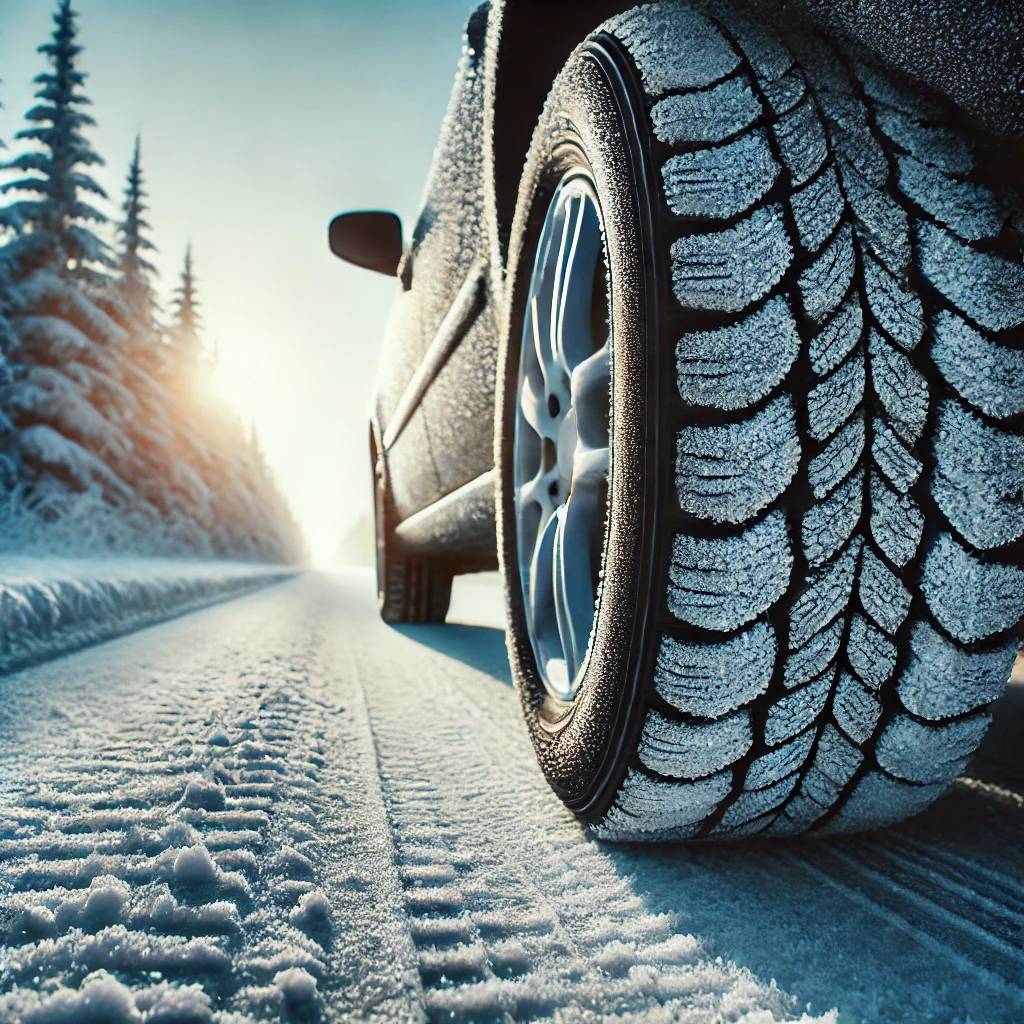
As temperatures begin to drop in Fredericksburg, VA, so does your vehicle’s tire pressure. While it may seem minor, low tire pressure can have a big impact on your vehicle’s handling, fuel efficiency, and overall safety. Here at Express Auto, we understand how critical tire care is, especially as winter sets in. In this blog, we’ll break down why cold weather affects your tire pressure, the risks of driving on underinflated tires, and how you can keep your tires winter-ready all season long.
Why Does Cold Weather Cause Low Tire Pressure?
Temperature changes have a significant impact on tire pressure. For every 10-degree drop in temperature, tire pressure decreases by about 1-2 pounds per square inch (PSI). This happens because colder temperatures slow down the molecules inside the tires, which reduces the air pressure. So, as winter approaches, Fredericksburg drivers can expect their tire pressure to drop naturally – and this drop may be more pronounced in the morning when it’s coldest.
How Low Tire Pressure Affects Your Car’s Performance and Safety
Driving on underinflated tires, especially in winter, isn’t just inconvenient – it can also be dangerous. Here’s how low tire pressure impacts your vehicle:
- Reduced Traction and Handling
- Underinflated tires have a larger surface area in contact with the road, which might sound beneficial but actually reduces your vehicle’s grip, especially on wet, icy, or snowy roads. This can make it harder to steer and brake effectively, which is crucial during winter when roads are often more treacherous.
- Increased Tire Wear
- Low tire pressure causes tires to wear unevenly, particularly around the edges. Over time, this can lead to premature tire wear and even tire failure. Regularly checking your tire pressure in winter helps ensure your tires wear evenly and last longer.
- Lower Fuel Efficiency
- Underinflated tires create more rolling resistance, meaning your engine has to work harder to keep the car moving. This increased resistance leads to higher fuel consumption, which can quickly add up, especially for Fredericksburg residents who commute or frequently drive on highways.
- Risk of Blowouts
- Low tire pressure increases the likelihood of a blowout, particularly when your tires are already worn. In winter, this risk is even more pronounced due to added stress from snow, ice, and wet road conditions. Ensuring proper tire inflation minimizes the chance of unexpected blowouts on the road.
Signs Your Tires May Be Underinflated
Sometimes, the first indication of low tire pressure is a noticeable change in your vehicle’s handling. Here are common signs that your tires might be underinflated:
- Tire Pressure Monitoring System (TPMS) Warning Light: Modern vehicles are equipped with TPMS, which alerts you when tire pressure is below the recommended level.
- Decreased Steering Responsiveness: If your car feels sluggish when you turn or respond slowly to steering inputs, check your tire pressure.
- Tire Shape and Appearance: Underinflated tires look slightly flatter where they meet the road, especially compared to properly inflated tires.
If you notice any of these signs, bring your vehicle to Express Auto at 2201 Emancipation Hwy in Fredericksburg for a quick tire inspection and adjustment.
Winter Tire Pressure Tips for Fredericksburg Drivers
- Check Tire Pressure Weekly
- Cold temperatures mean fluctuating tire pressure. To ensure safe driving conditions, check your tire pressure at least once a week. Many local gas stations in Fredericksburg have air pumps, but for accuracy, bring your car to Express Auto where our ASE Certified technicians can check and adjust your tire pressure correctly.
- Use the Right Tire Pressure
- Consult your vehicle’s owner manual for the recommended PSI levels, usually found on the driver’s side door frame. These recommendations vary by make and model and can differ based on the season. At Express Auto, we use state-of-the-art equipment to ensure precise inflation for all makes and models.
- Consider Winter Tires
- If Fredericksburg winters bring icy conditions, consider switching to winter tires, which offer better traction and flexibility in low temperatures. Winter tires are specially designed to handle cold weather and provide a superior grip on snowy and icy roads. Our team at Express Auto can help you choose the best winter tire options for your vehicle.
- Schedule a Tire Check with Each Oil Change
- During winter, it’s wise to combine tire pressure checks with routine maintenance like oil changes. Express Auto’s full-service oil change includes tire inspections and rotation to keep your tires and engine in peak condition. This small investment helps prevent bigger issues down the road, especially when temperatures drop.
Why Choose Express Auto for Tire Services in Fredericksburg?
At Express Auto, we’re more than just an award-winning auto repair shop; we’re Fredericksburg’s trusted source for winter tire care. Our ASE Certified Master Technicians use the latest diagnostic tools to ensure your vehicle’s tires are winter-ready. Plus, with conveniences like free coffee, tea, Wi-Fi, and indoor and outdoor waiting areas, we make it easy for you to keep up with tire maintenance this winter.
Keep Your Tires Ready for Winter – Visit Express Auto Today!
As winter weather approaches, don’t let low tire pressure compromise your vehicle’s safety and performance. Visit us at Express Auto, located at 2201 Emancipation Hwy in Fredericksburg, VA, for a comprehensive tire check. You can call us at (540) 372-4422 or check out our Google Business Profile and Facebook page for more information.
Our team is here to help Fredericksburg drivers prepare for winter with safe, dependable tire service – so you can drive confidently all season long.

Mark Ritchie is the Owner and Manager of Express Auto Service. With more than 25 years of automotive experience, he is ASE Certified and a Virginia Emissions Inspector. Mark shares practical automotive maintenance and repair insights to help drivers make informed decisions about caring for their vehicles.